
Sprache | Language | בחירת שפה
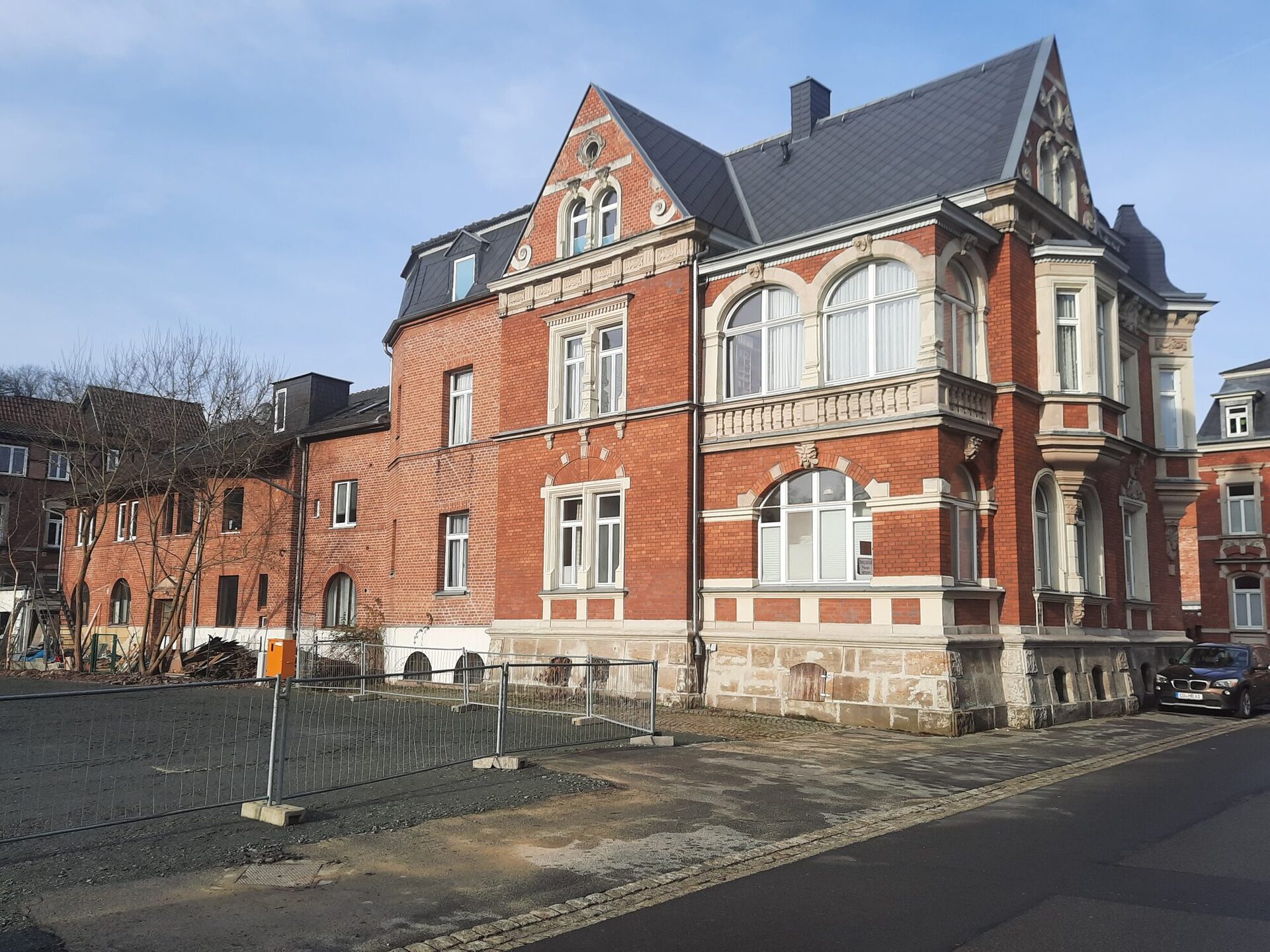
During the period of high industrialisation in Germany (1871-1914), Jewish merchants increasingly founded their own businesses. Although they mainly focussed on the textile industry, a different approach was taken in Coburg. : From 1872 onward, Jewish manufacturers here concentrated mainly on the production of wickerwork and furniture. One notable exception was the Ehrlich hat and cap company.
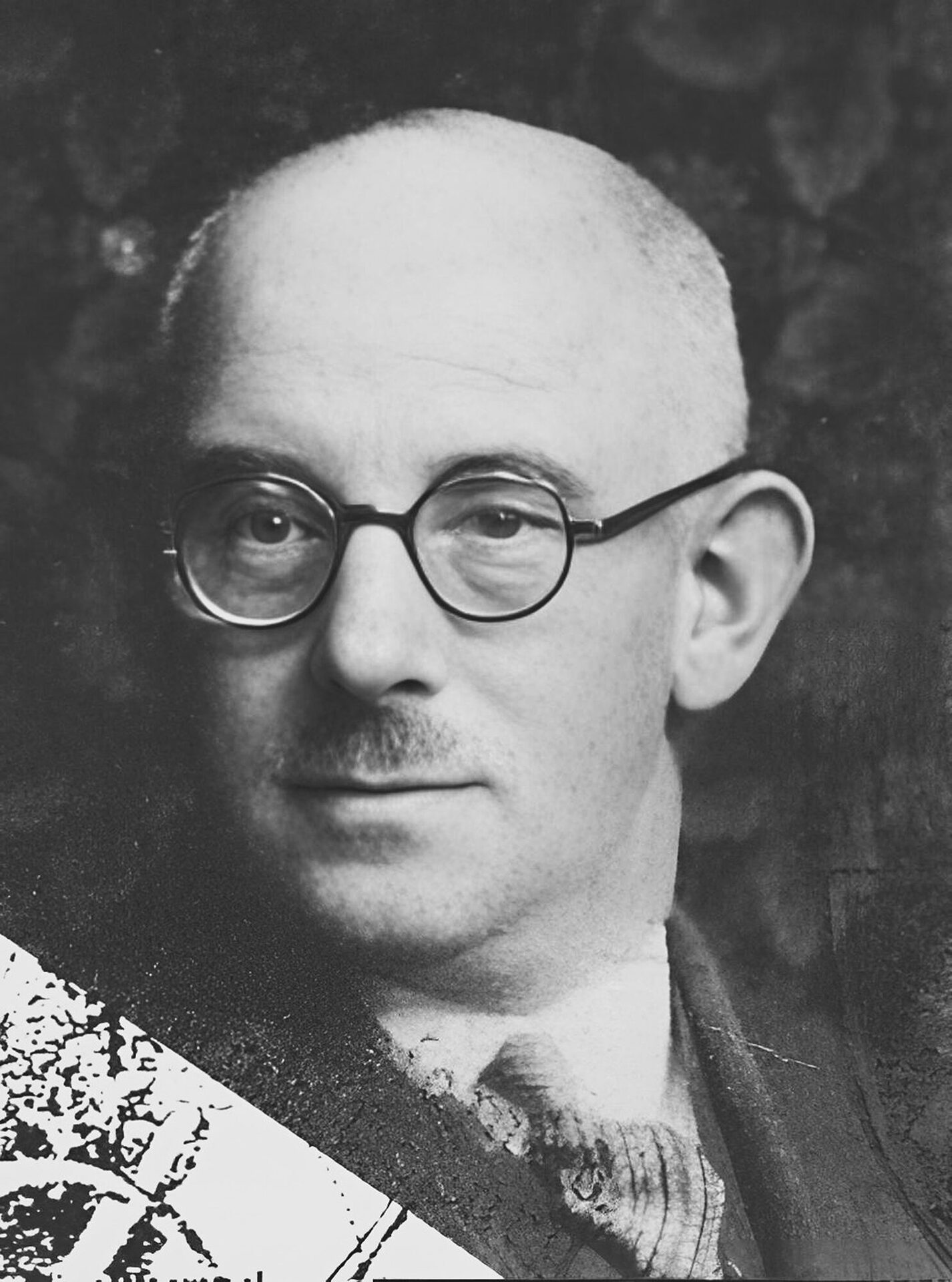
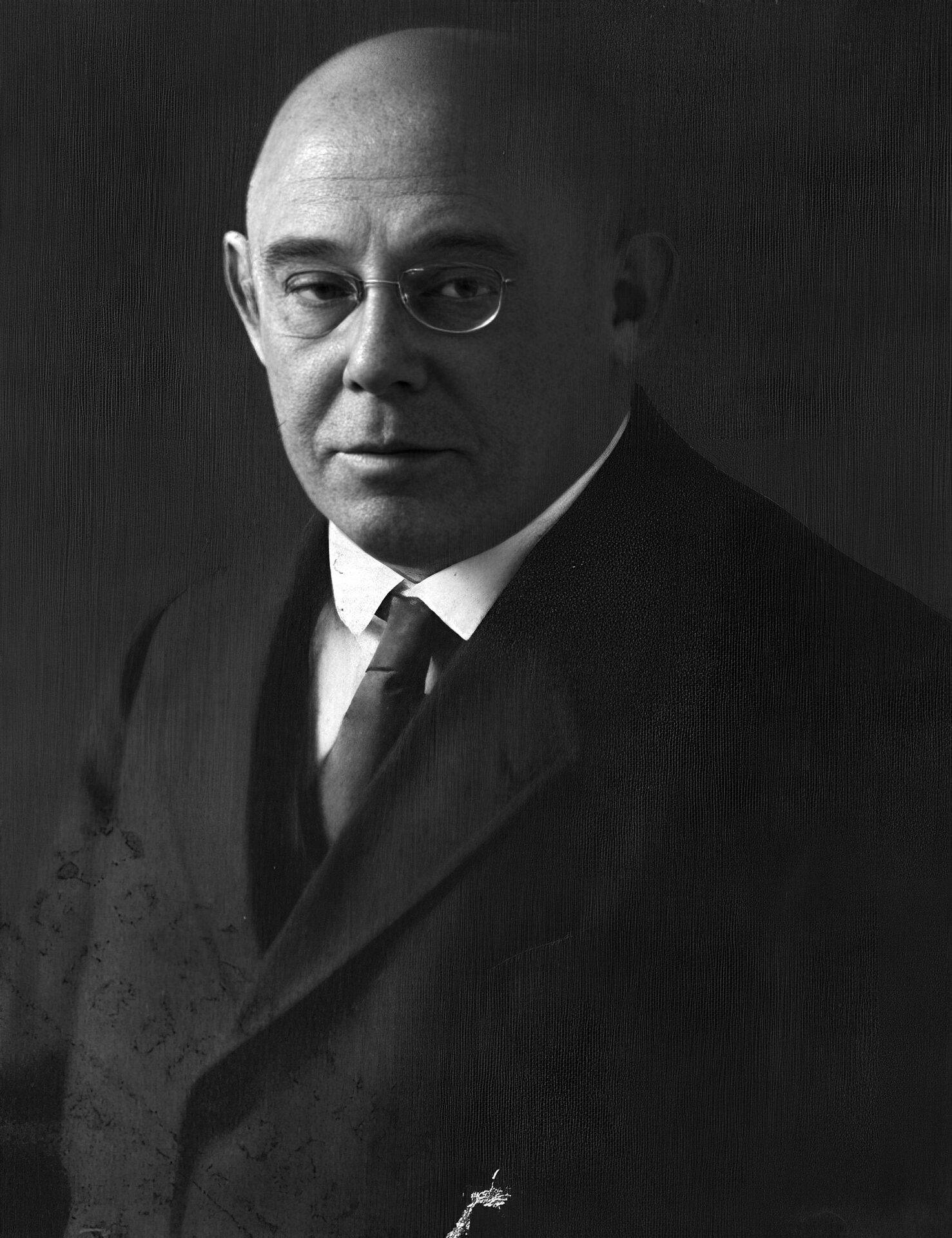
It was founded in 1893 by Karl Ehrlich and was managed by the brothers Hermann and Sally Ehrlich from 1906. Under their management, the company expanded its reach, developing business connections across southern Germany. In 1913, the brothers purchased the property at Zinkenwehr 39 and, a year later, built a warehouse and showroom on the site, complete with a goods lift, a modern innovation at the time. In 1927/28, the Ehrlich brothers ceased production and from then on operated a wholesale business for hats and caps.
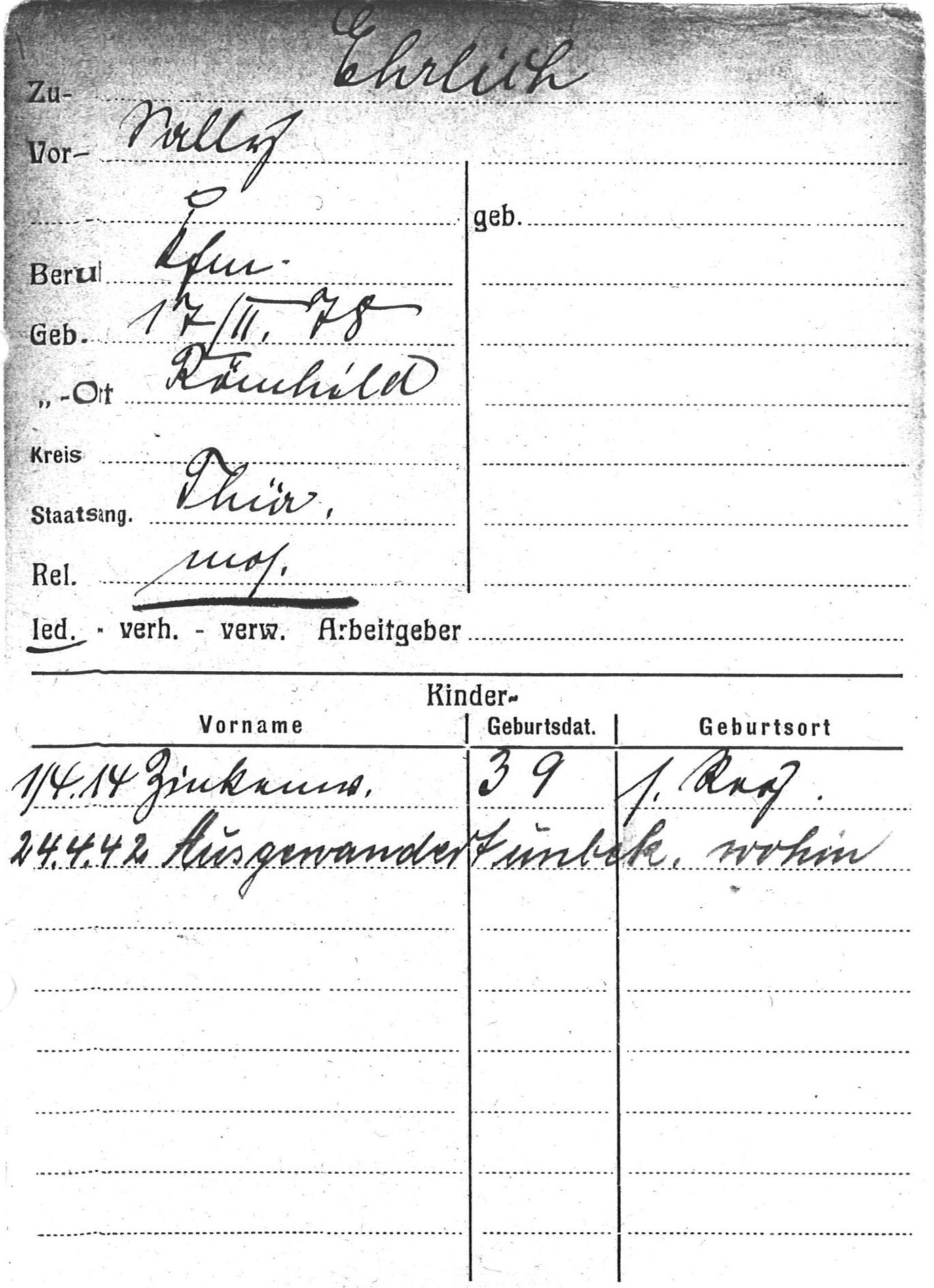
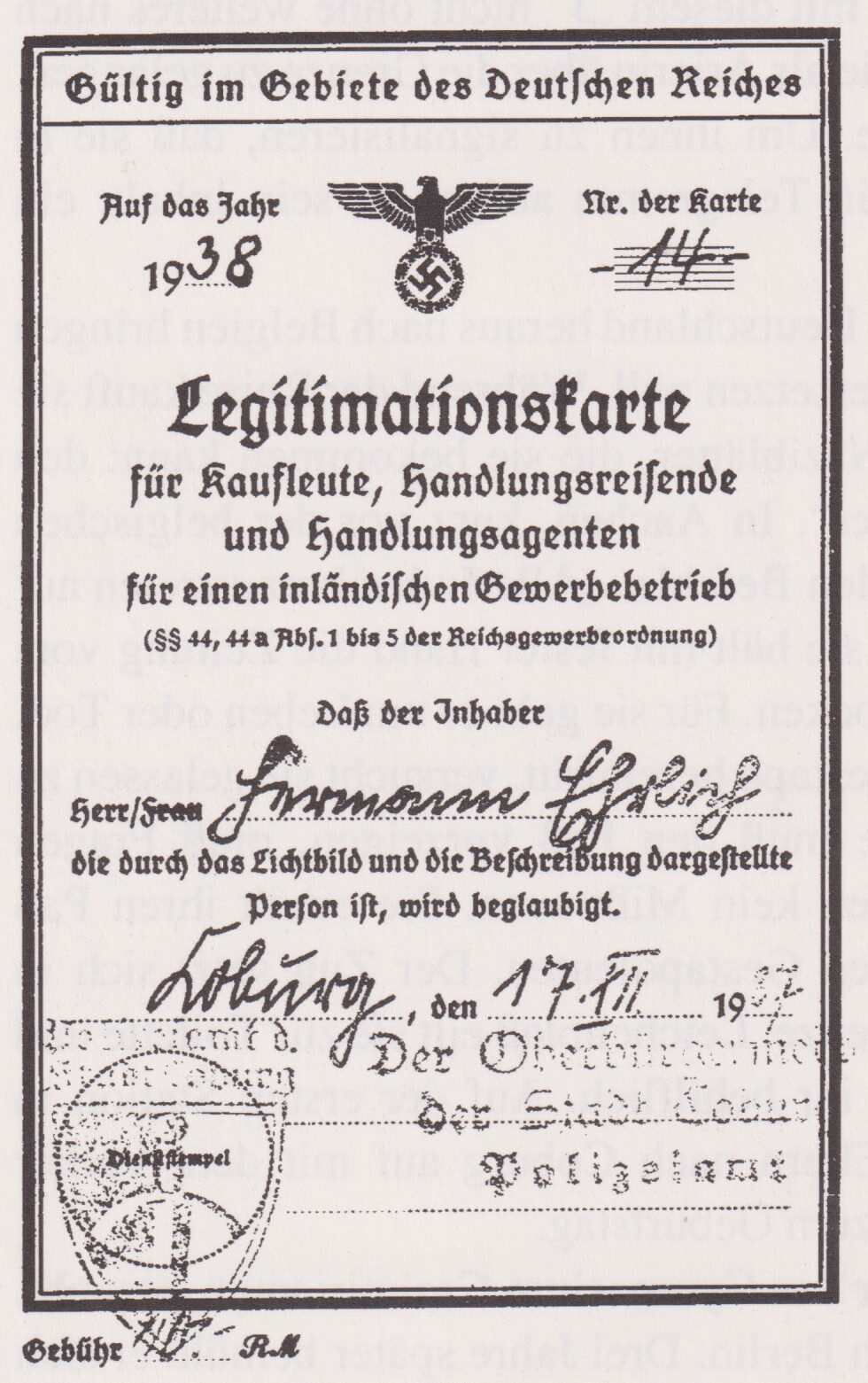
After Hitler came to power, the business steadily declined, and they lost many customers. Therefore, from 1937, the Ehrlich brothers tried to find new distribution channels as travelling salesmen, but these efforts failed. By 1938, the company employed only three people. It was ultimately forced to close under the “Regulation for the Elimination of the Jews from the Economic Life of Germany”, issued in November 1938. The same fate befell all other Jewish-owned businesses in Coburg, unless they had already been forced to shut down due to mounting political and economic pressure.
During the Kristallnacht pogrom of 9-10 November 1938, Hermann Ehrlich was arrested and forced to sell his home. After his release, he fled with his family to the United States in 1939. Sally Ehrlich, however, remained in Coburg. In 1942, he was deported and is believed to have been murdered in the Krasniczyn ghetto near Lublin. Officially, as he had crossed the border of the Reich, albeit forcibly, he had “emigrated” according to the population register.
Next station
Jacob von Mayer rose from merchant to baron. As banker and benefactor, he shaped Coburg’s public life — until his heirs left and the firm dissolved.
About the Path of remembrance
The memorial path “Jewish Life in Coburg” commemorates the city’s Jewish community in 14 stations. These stations trace the history from the community’s integration into Coburg’s civic life in the mid-19th century to its annihilation following the early seizure of power by the National Socialists.
Jewish citizens were an integral part of Coburg’s community for decades. Under National Socialism, the Jewish community and its members were eradicated. They had to flee or were murdered. It is our responsibility to keep the memory of their contributions and suffering alive in the town of Coburg.
In 2023 the Coburg town council decided to commemorate Jewish life in Coburg with a memorial path through the town. The memorial path was officially inaugurated on 31 July 2025.