
Sprache | Language | בחירת שפה
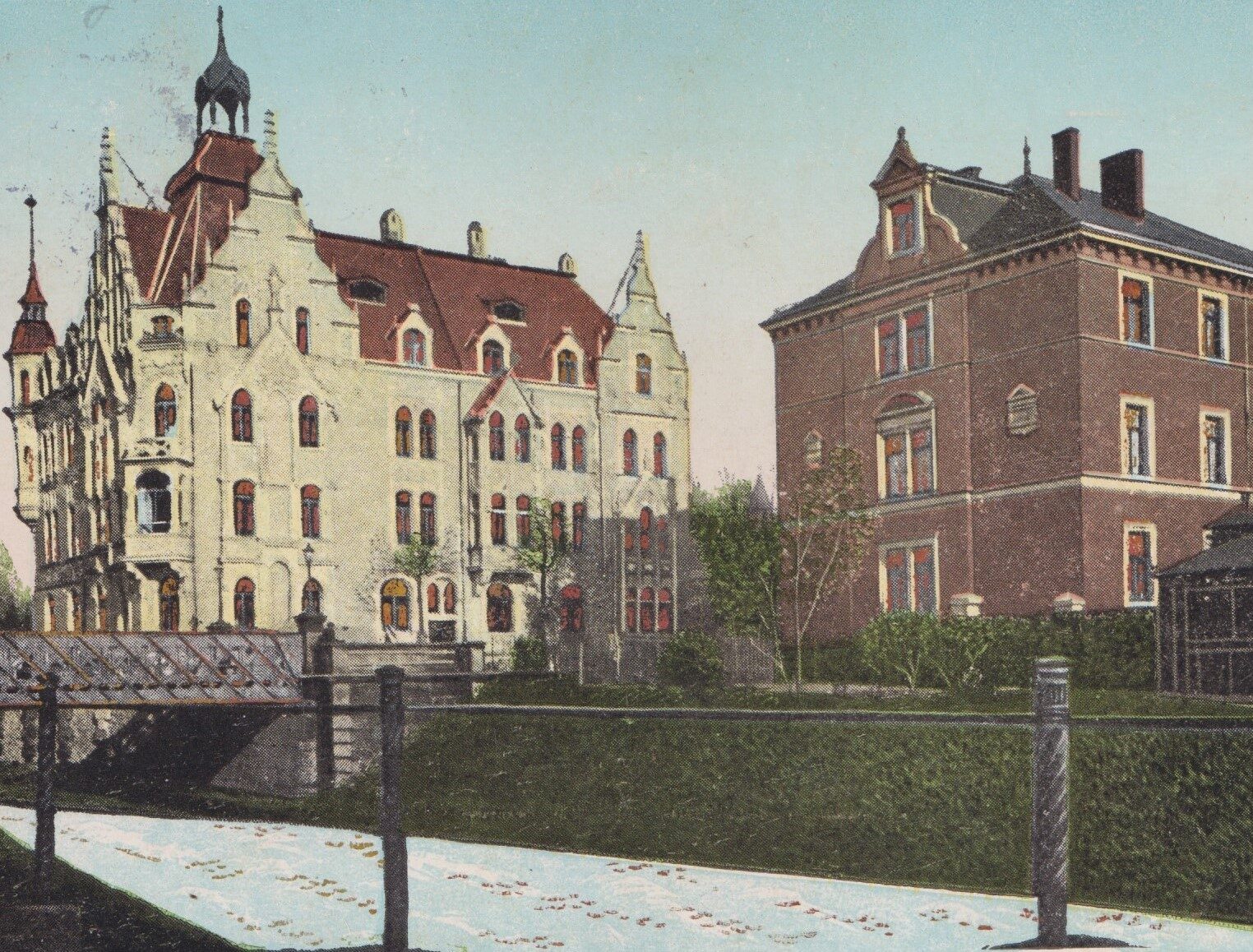
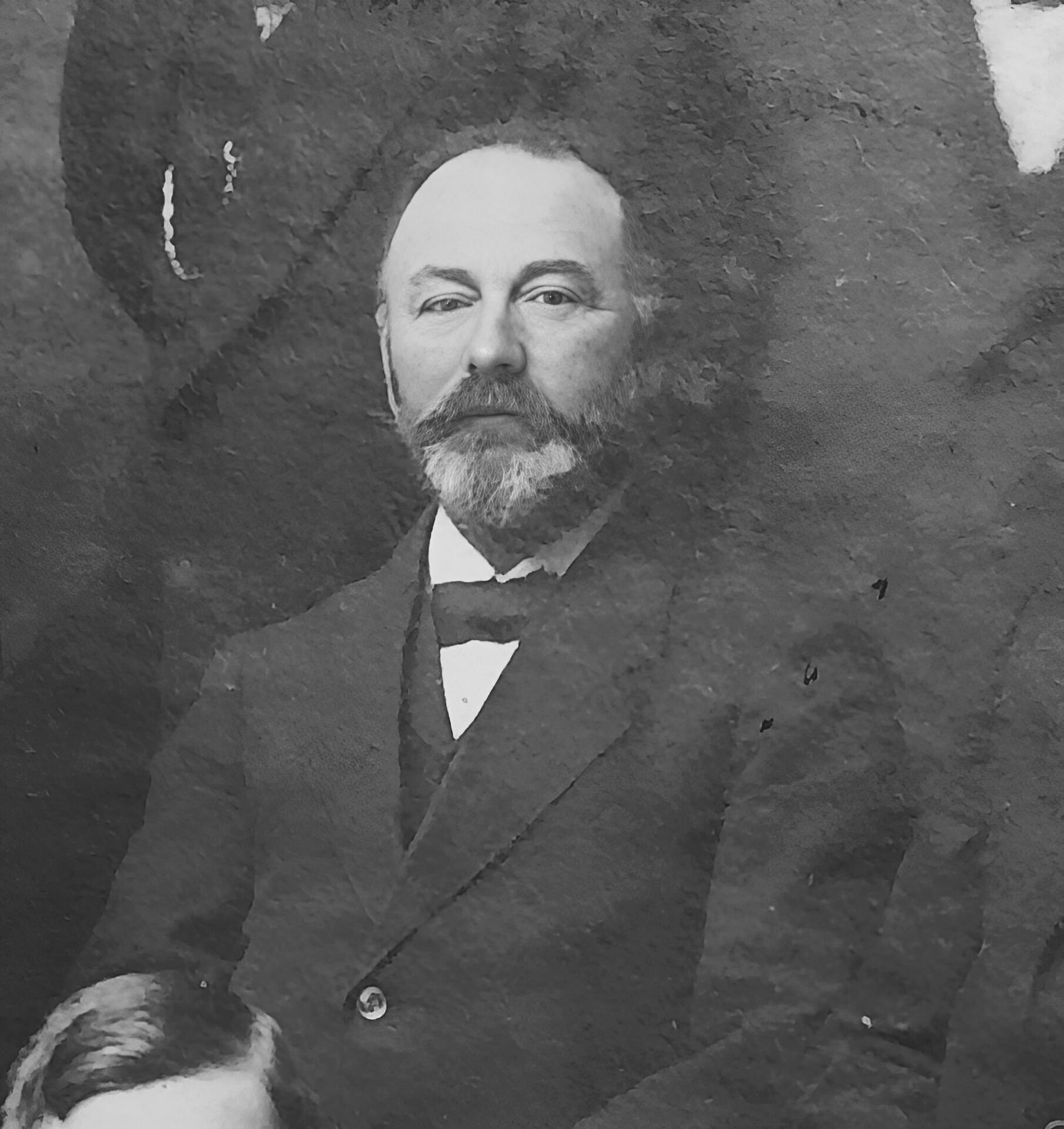
In addition to the sale of textiles, the livestock trade was an important source of income for Jews. This was largely because many of them lived in rural areas, where there were hardly any other ways to earn a living. As livestock traders, however, they had a monopoly, making it impossible to exclude them from the trade. Attempts by the authorities to do so failed in the 19th century, due to resistance from farmers. The traders only came to town when livestock markets were held.
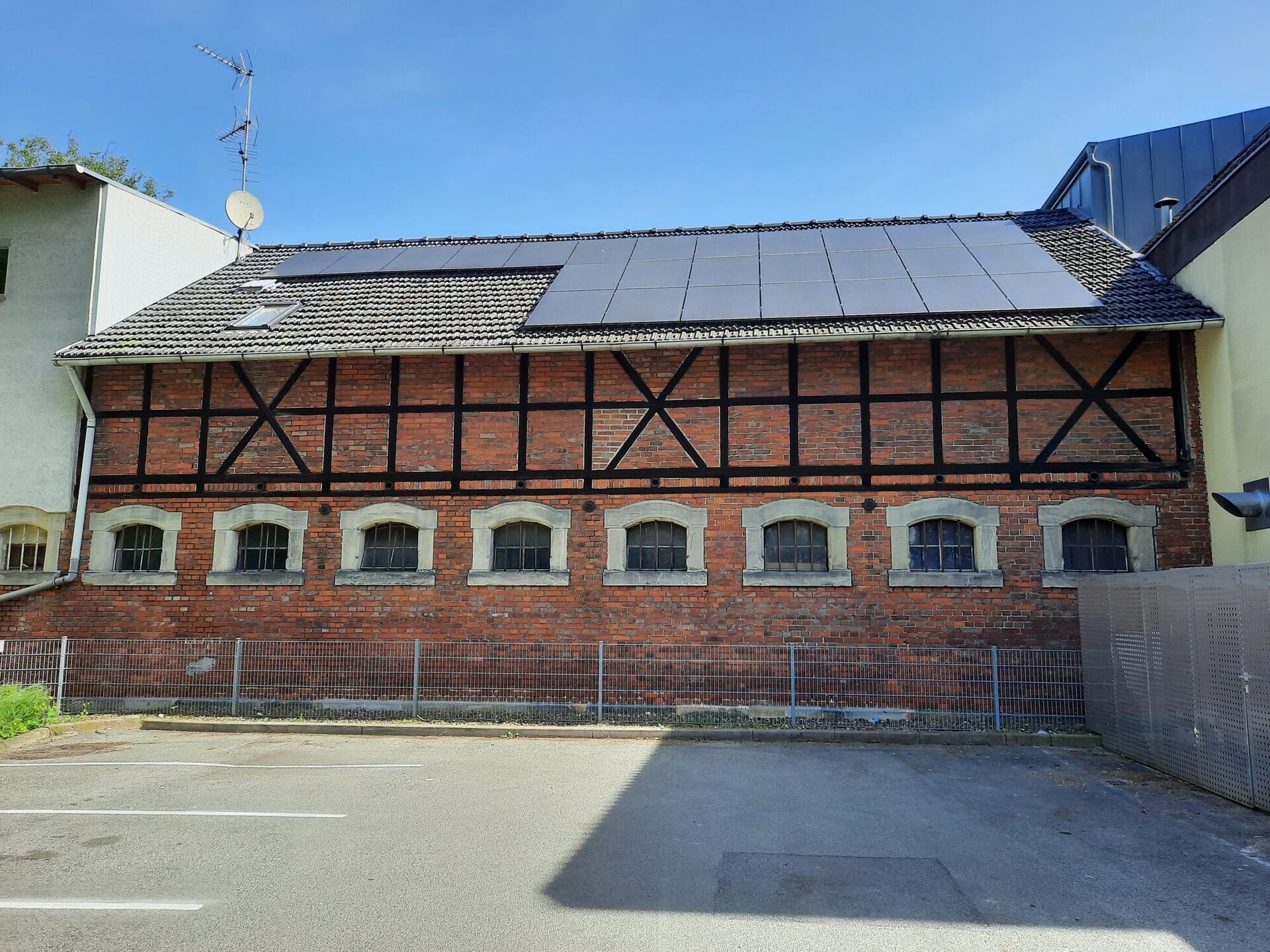
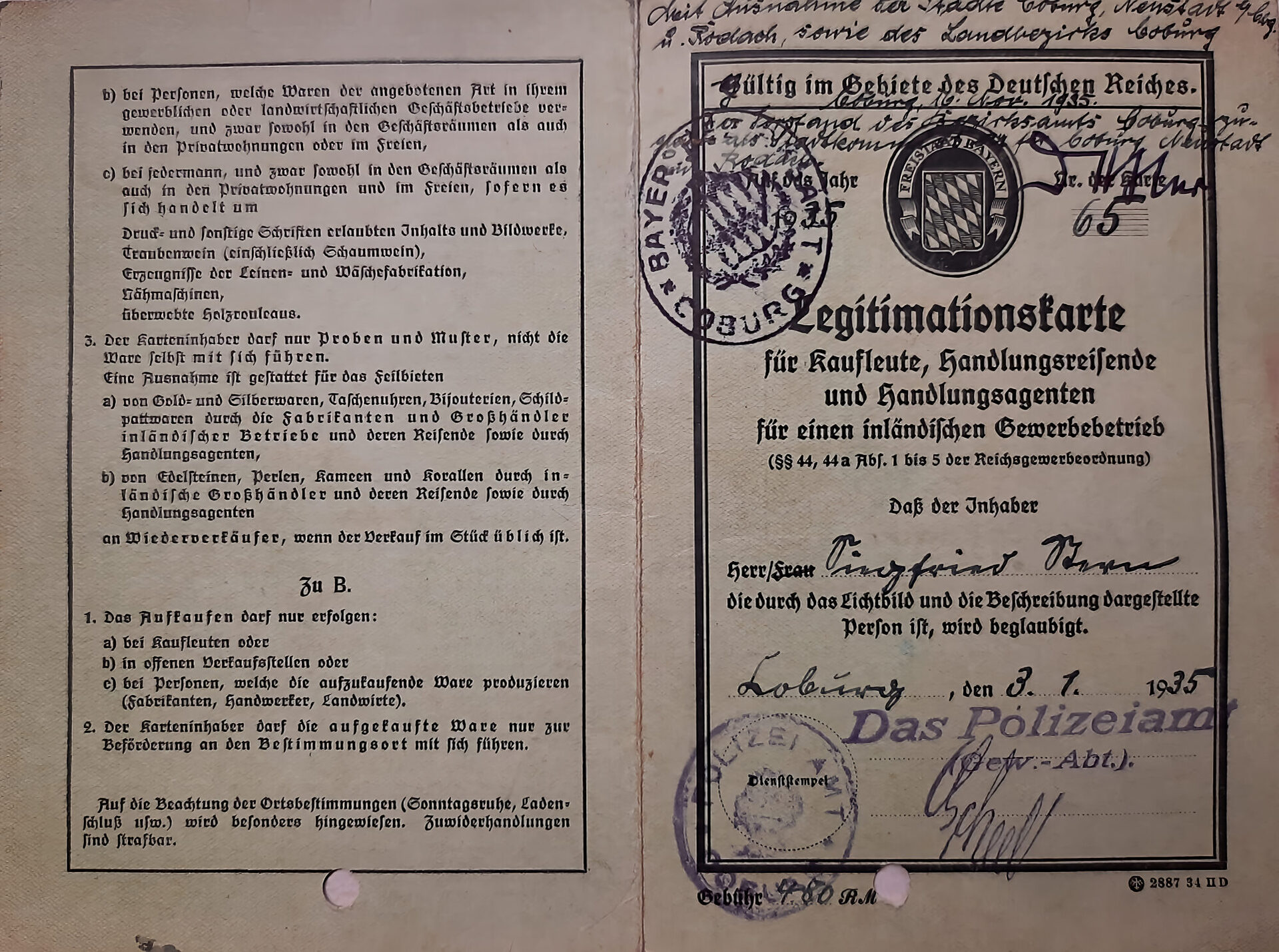
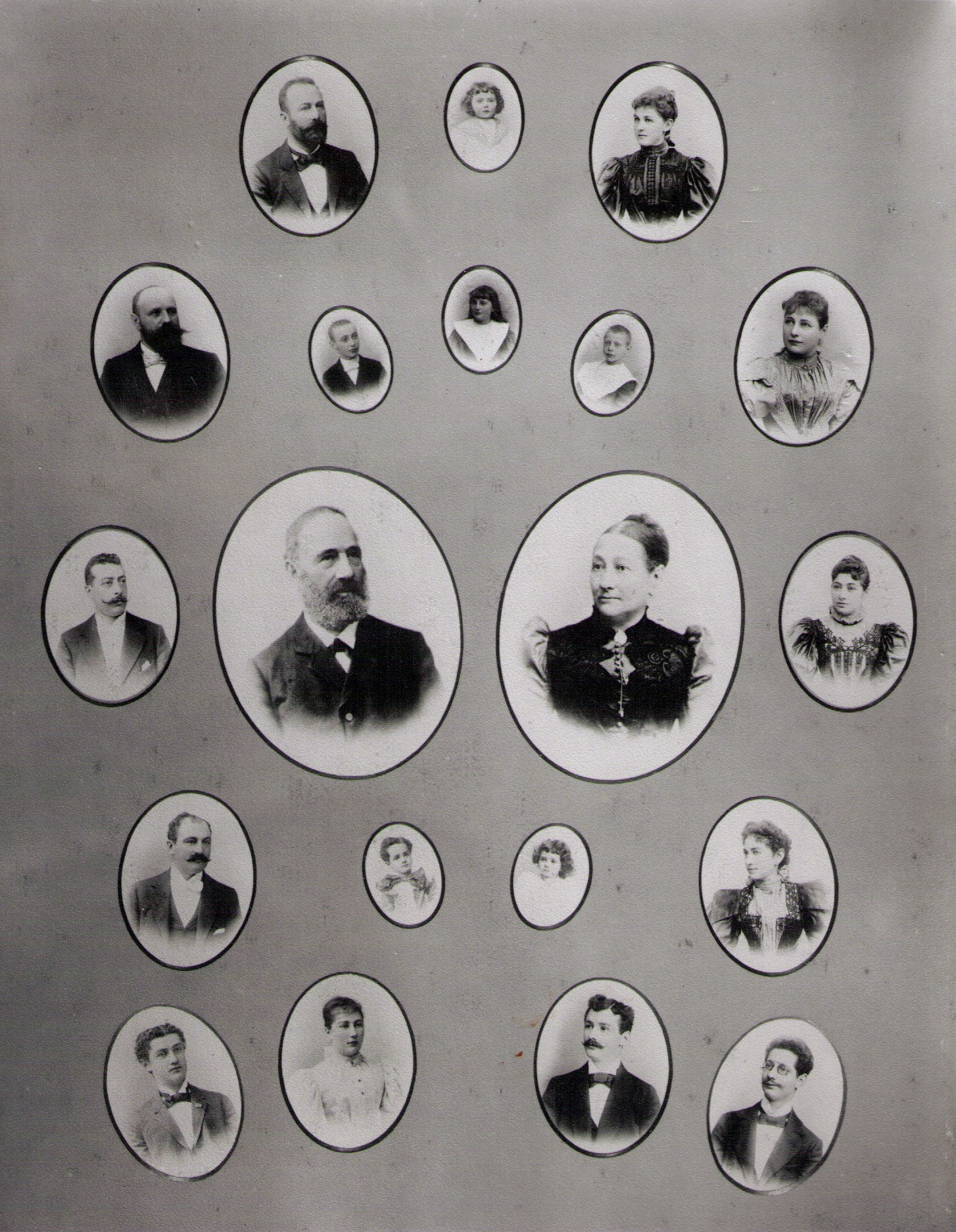
With industrialisation and the introduction of trade liberalisation, many livestock traders moved their businesses into the towns. The first Jewish livestock traders settled in Coburg from 1871. Among them was Marcus Stern, who arrived in 1873. The financial success of his business enabled Stern to build the desirable townhouse at Mohrenstraße 10 in 1890, complete with courtyard stables, the remnants of which are still visible today. This gave him a prominent position among his fellow colleagues. In 1909, Stern’s son Siegfried took over the business. During the First World War, it was down to livestock traders like Siegfried Stern to supply both the population and the army with meat. Livestock numbers had fallen sharply due to the shortage of animal feed.
From 1920 onwards, livestock traders were increasingly targeted by antisemitic propaganda. The Nazi Party accused them of fraud and profiteering during the First World War. In 1933, this incitement led to a boycott of Jewish businesses, which, however, had no effect. The Jewish livestock trade was still firmly anchored in the economy, due to its monopoly.
In 1935, Coburg revoked the licences of all Jewish livestock traders. Although three of them had their licences reinstated, ongoing harassment ultimately made it impossible for them to continue their trade. Siegfried Stern lost his licence, sold the property at Mohrenstraße 10 in 1938 and fled to the United States at the age of 84, where he died in 1945.
About the Path of remembrance
The memorial path “Jewish Life in Coburg” commemorates the city’s Jewish community in 14 stations. These stations trace the history from the community’s integration into Coburg’s civic life in the mid-19th century to its annihilation following the early seizure of power by the National Socialists.
Jewish citizens were an integral part of Coburg’s community for decades. Under National Socialism, the Jewish community and its members were eradicated. They had to flee or were murdered. It is our responsibility to keep the memory of their contributions and suffering alive in the town of Coburg.
In 2023 the Coburg town council decided to commemorate Jewish life in Coburg with a memorial path through the town. The memorial path was officially inaugurated on 31 July 2025.