
Sprache | Language | בחירת שפה
The Fechheimer department store
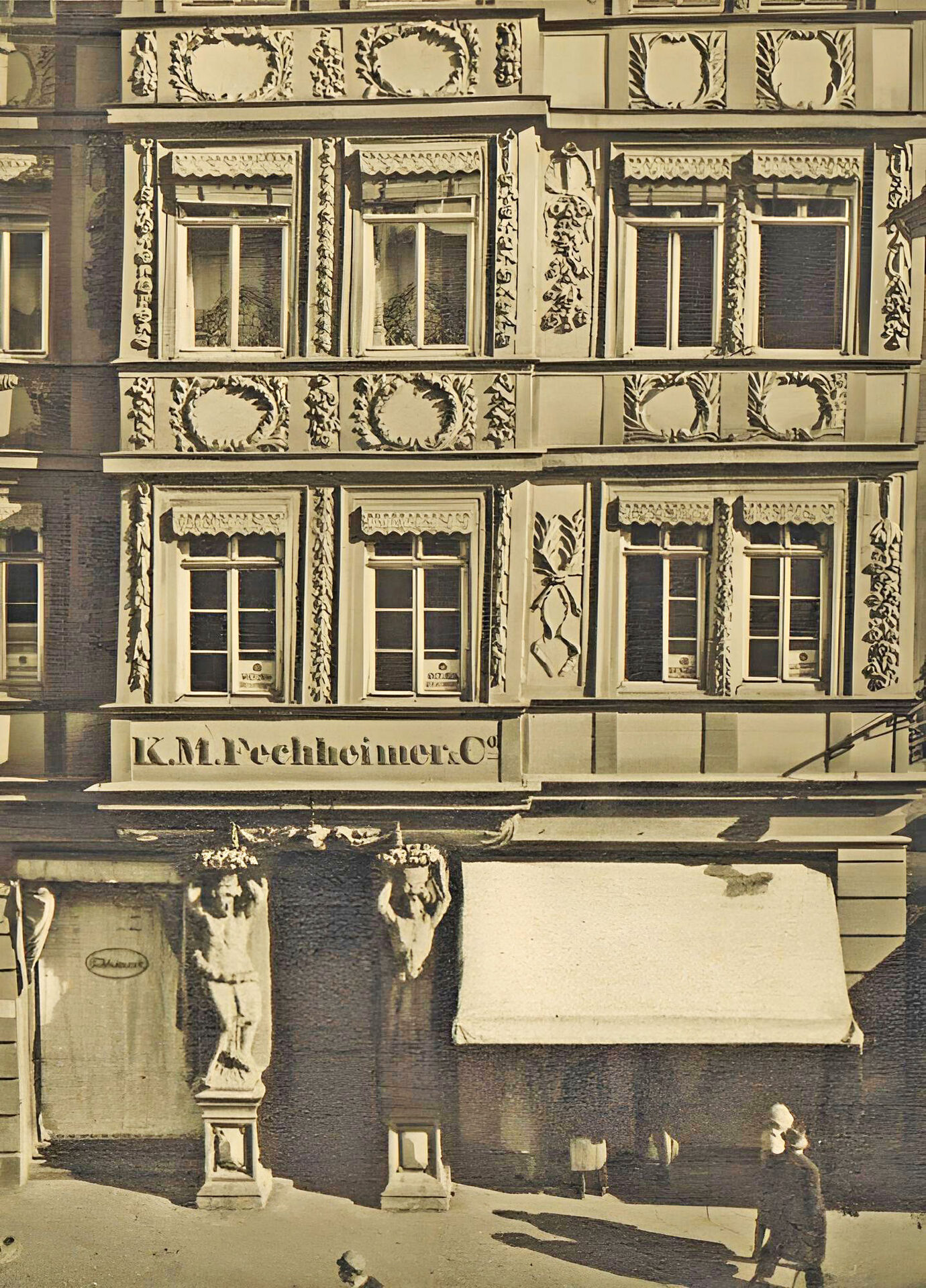
Jewish merchants successfully met the growing consumer demand during the industrialisation (1871-1914) by introducing a new business model: the department store. They were inspired by developments in France and the USA and benefitted from their previous experience as itinerant merchants, giving them nationwide contacts that they used to source the extensive range of goods.
As early as 1886, a branch of the H. & C. Tietz department store chain opened on Steinweg. Businessman Julius Blüth established the Fechheimer department store here at Spitalgasse 12 in 1891. The business was a commercial success from the start and after just six years it was named a “Purveyor to the Court.” Hugo Fechheimer became a partner in 1905. Together with his brother-in-law Julius Blüth, he managed the store until March 1933.
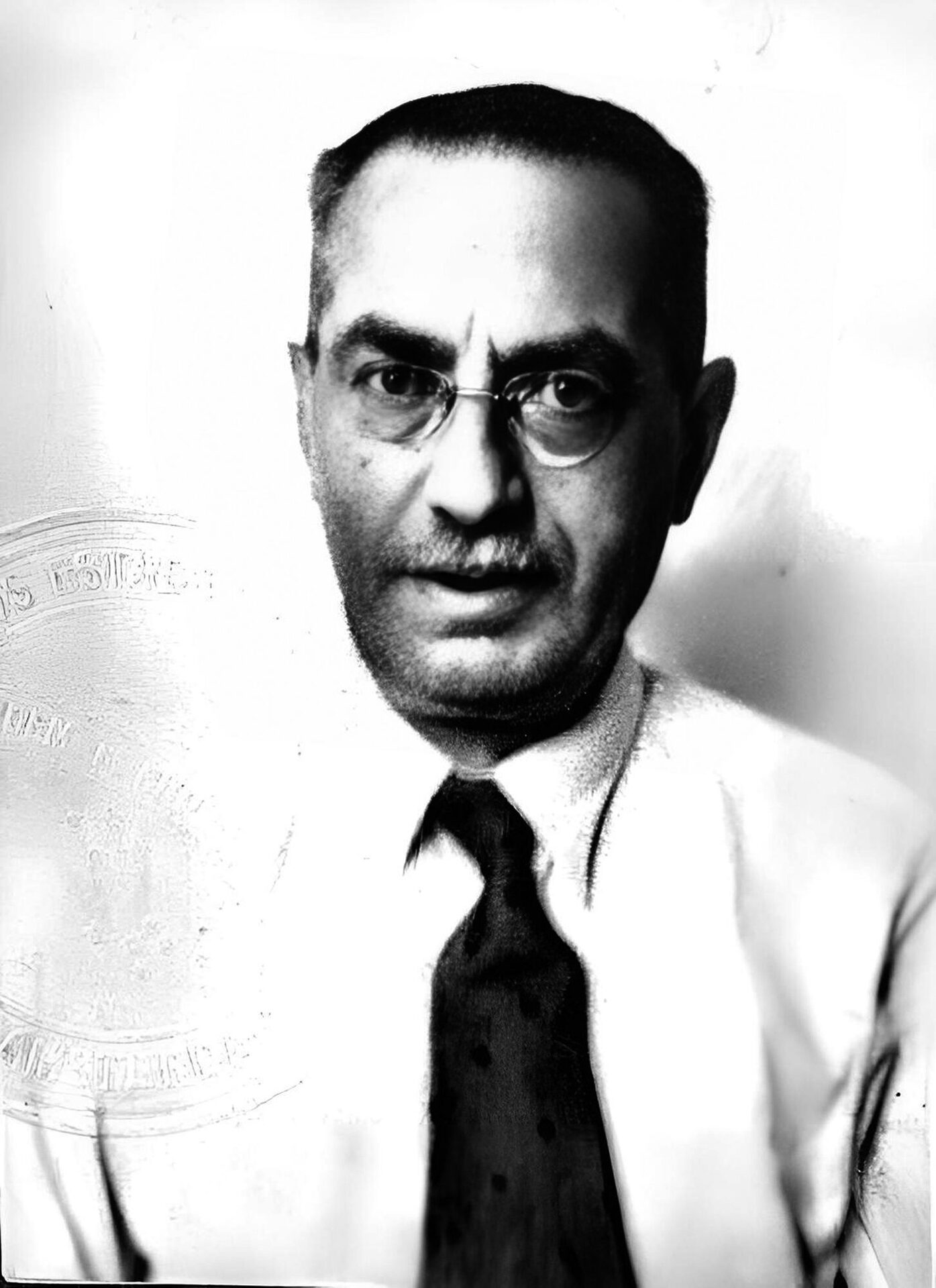
Nazis targeted Jewish-owned department stores early on. In 1927, the Nazi newspaper “Der Weckruf” proclaimed: “The Jewish department store, the ruin of the German businessman”. The Nazi majority in Coburg’s city council passed a department store tax intended to “protect small businesses” as early as 1929. This was followed by numerous smear campaigns and acts of vandalism against the local department stores.
After Hitler came to power in 1933, calls were made to boycott the department store, which was forced to close as a result. Almost at the same time, the owner Hugo Fechheimer was taken into so-called “protective custody” and beaten in the notorious “Prügelstube” (beating parlour). Julius Blüth escaped arrest due to suffering a stroke. As a result of these attacks, the Fechheimer store shut down. Its owners fled with their families to the Netherlands. The property was subsequently auctioned off and eventually became the long-term property of the Nazi city councillor Karl Hartung.
The Conitzer department store
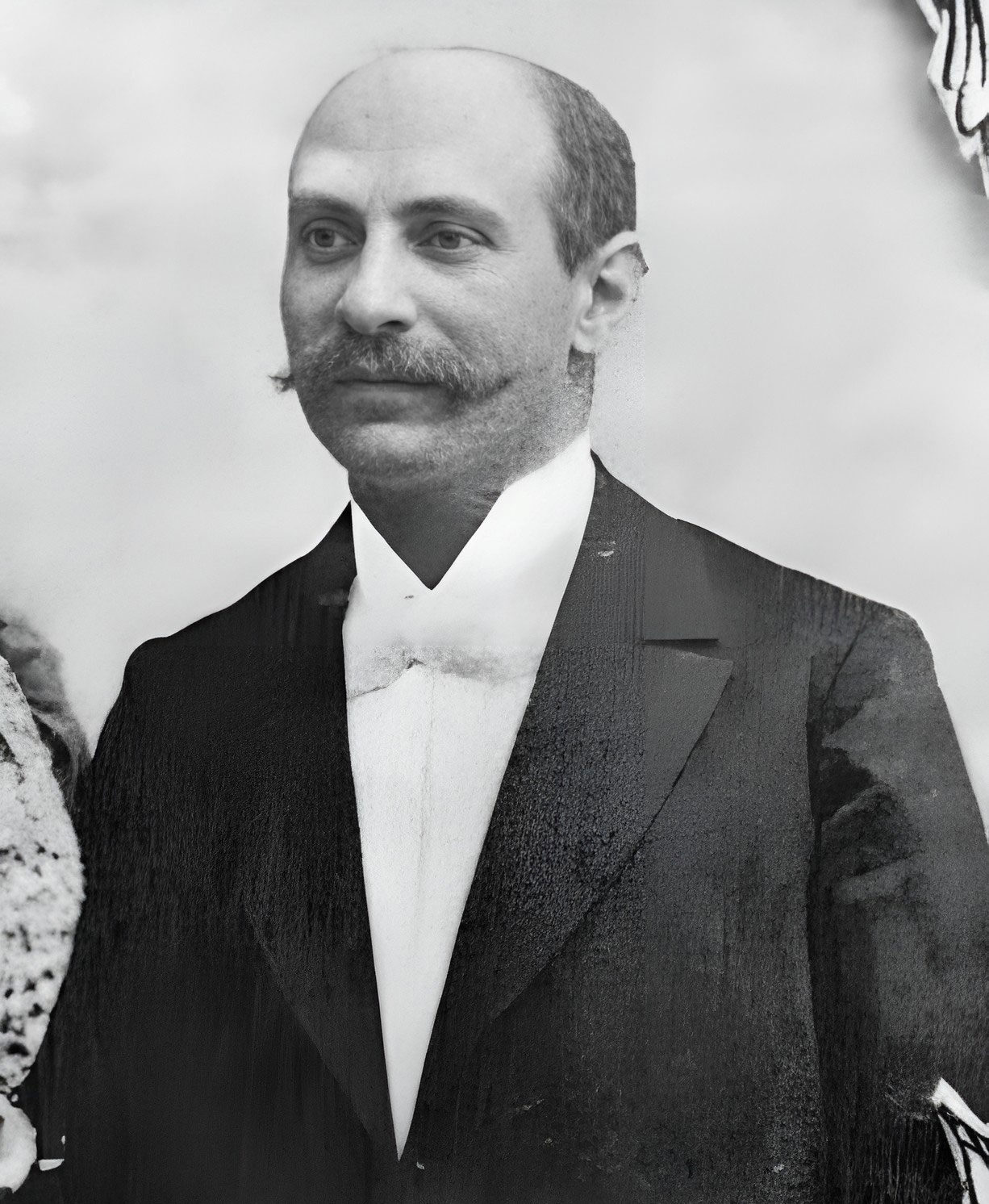
Opposite the Fechheimer department store, a branch of the Conitzer company opened at Spitalgasse 19 in 1903. The business was managed by the merchants Max Frank and Adolf Friedländer. Their store finally brought modern retailing to Coburg. It was open to all social classes, offered goods at affordable prices and introduced the cash payment system. Previously, purchases had been made on credit and settled later.
Even the store’s façade, built in 1908, reflected its modernity, taking inspiration from the Wertheim department store in Berlin. Among the many decorative elements on the façade, the image of a bee is especially significant. It symbolises the industriousness and economic success of its Jewish proprietors. Furthermore, the figure of Lady Justice in the gable conveyed that fairness prevailed in this house; a sentiment which antisemitic statements constantly undermined.
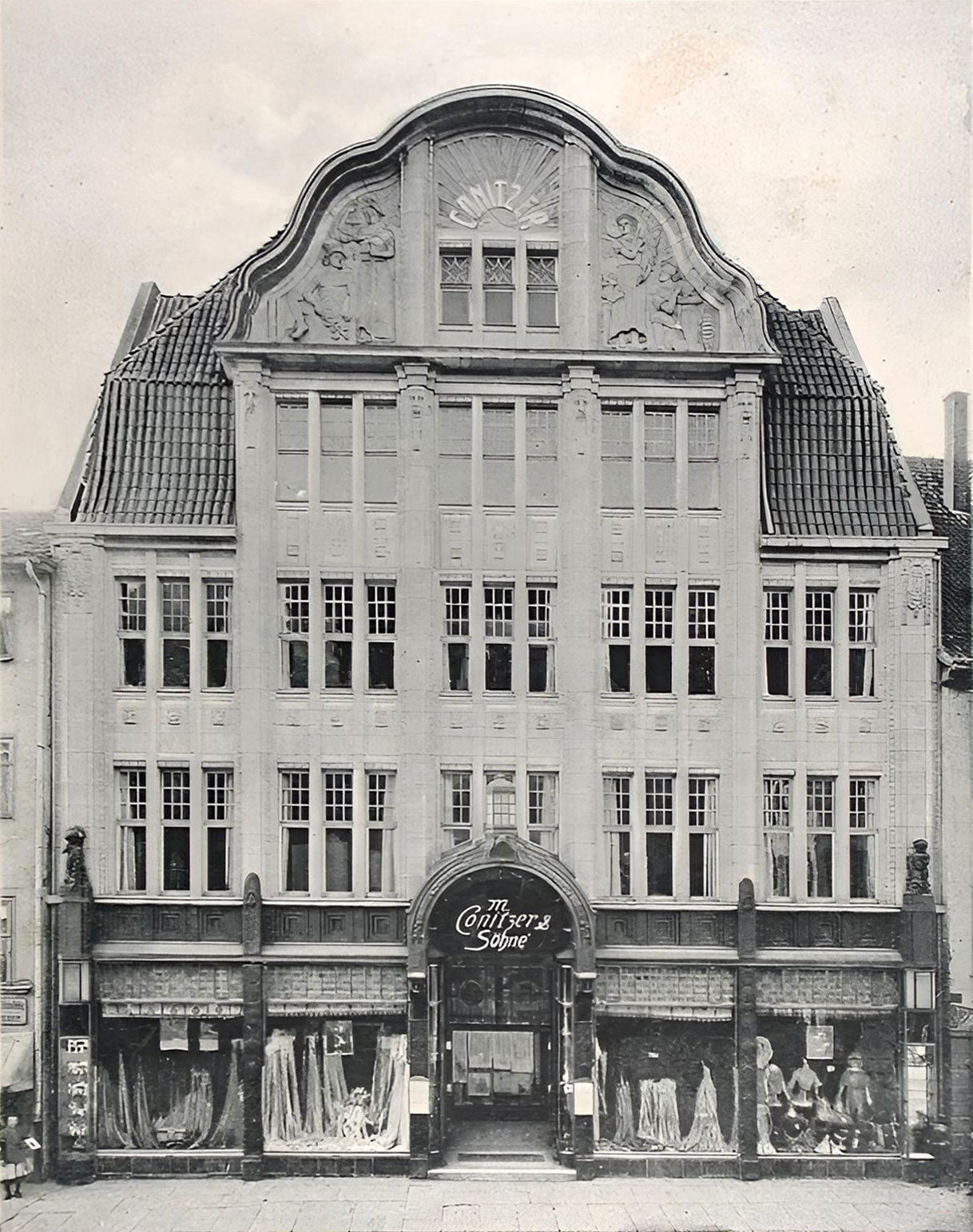
In the 1920s, the Conitzer department store stood for innovation. It became the first store in Coburg to use illuminated window displays for advertising in 1925. Additionally, the company also introduced festive Christmas decorations during Advent and hosted the town’s first fashion shows. The retail space extended over several floors and was connected by a lift.
After Hitler came to power in 1933, calls were made to boycott the department store, which was forced to close as a result. Almost at the same time, Max Frank was taken into so-called “protective custody” and also beaten in the notorious “Prügelstube”. Adolf Friedländer had already left Coburg in 1930. Frank was expropriated after 1933. He was no longer allowed to enter his business and a works council took over its management. The company subsequently ran into financial difficulties and was therefore liquidated in 1935. Max Frank died in 1938 as a result of the mistreatment he suffered during the Kristallnacht pogrom.
Next station
Since 2022, Ilse Kohn Square honors a woman murdered in Auschwitz. Her story stands for the persecution of Jewish families during the Nazi era.
About the Path of remembrance
The memorial path “Jewish Life in Coburg” commemorates the city’s Jewish community in 14 stations. These stations trace the history from the community’s integration into Coburg’s civic life in the mid-19th century to its annihilation following the early seizure of power by the National Socialists.
Jewish citizens were an integral part of Coburg’s community for decades. Under National Socialism, the Jewish community and its members were eradicated. They had to flee or were murdered. It is our responsibility to keep the memory of their contributions and suffering alive in the town of Coburg.
In 2023 the Coburg town council decided to commemorate Jewish life in Coburg with a memorial path through the town. The memorial path was officially inaugurated on 31 July 2025.