
Sprache | Language | בחירת שפה
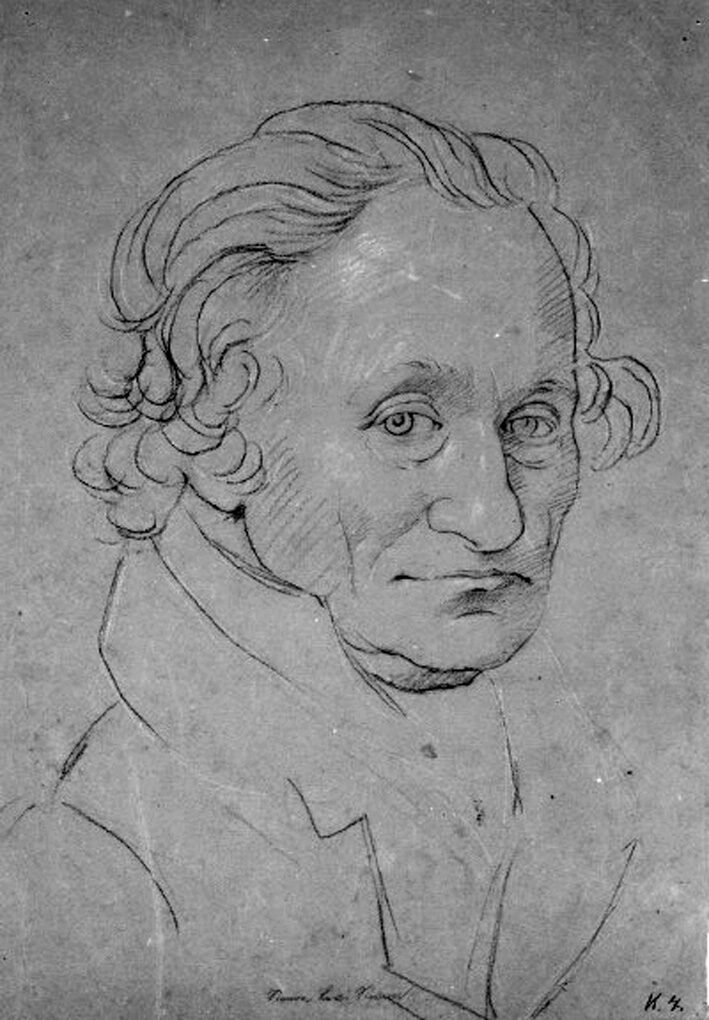
Jews had been prohibited from living in Coburg since 1556. This changed in 1805, when Levy Simon, a court supplier of luxury goods (Hoffaktor), petitioned Duke Franz Friedrich Anton for permission for his sons to settle in the town. Both sons owned a peddling business which often took them to Coburg. The duke allowed them to settle after a year of negotiations, on the condition that the brothers paid an annual protection fee into the ducal treasury, adopted German names and removed their beards. In return, the Simons were granted the right to choose their profession and freedom of religion, which included permission to set up a private prayer room in their home.
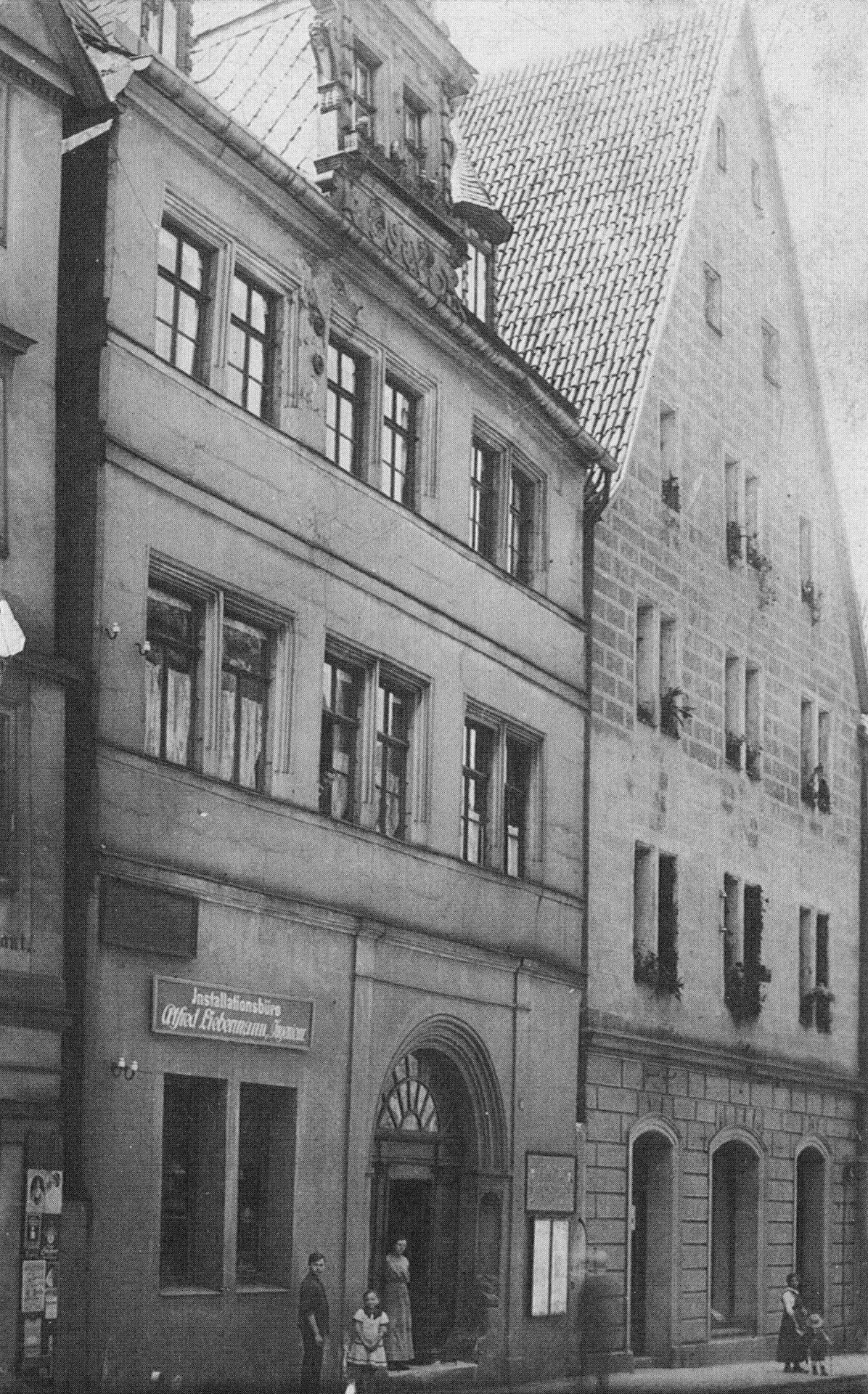
However, the town of Coburg, opposed their settlement, citing the ban from 1556. The local guilds also resisted the Simons, seeing them as unwelcome competition. In the decades that followed, both the town and the guilds therefore made the family's stay as unpleasant as possible. The Simons were unable to exercise their right to freely choose a profession, as no guild would accept Jewish apprentices. The family's activities were thus limited to trade.
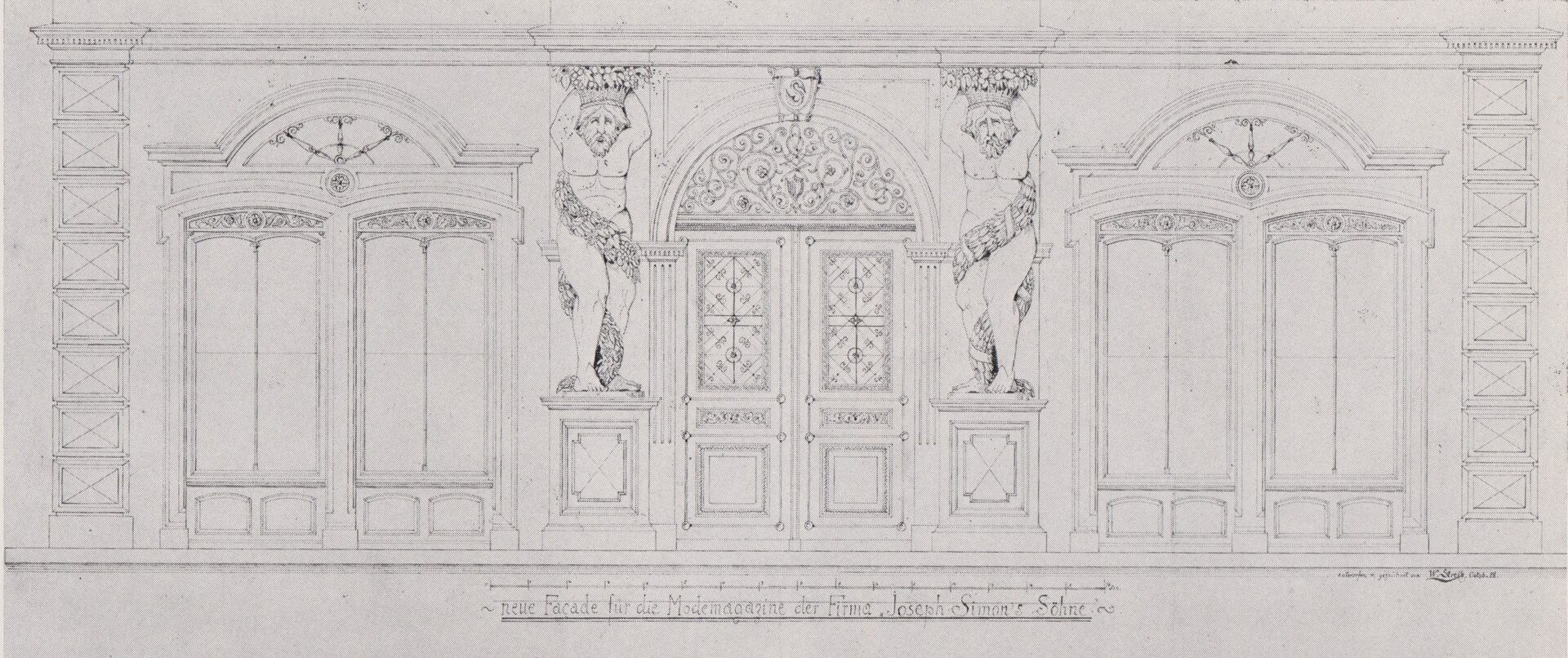
Despite the town's harassment, which lasted until around 1850, the Simon family managed to prosper. From 1810 onwards, here at Herrngasse 4, they operated a textile shop and a bank, which grew over the years. One of their main customers was the court theatre, which mainly purchased clothing and decorative materials from them. In 1849, the family was granted the right to bury their dead in a private cemetery outside of Coburg.
The family’s rise came to an end in 1891 when their firm went bankrupt. After that, the Simons were unable to regain their former financial status. Even before this turning point, many family members had already left Coburg and sought their professional fortunes in Paris or London. As a result, the Coburg family line dwindled. During the Nazi era, it no longer played a significant role.
About the Path of remembrance
The memorial path “Jewish Life in Coburg” commemorates the city’s Jewish community in 14 stations. These stations trace the history from the community’s integration into Coburg’s civic life in the mid-19th century to its annihilation following the early seizure of power by the National Socialists.
Jewish citizens were an integral part of Coburg’s community for decades. Under National Socialism, the Jewish community and its members were eradicated. They had to flee or were murdered. It is our responsibility to keep the memory of their contributions and suffering alive in the town of Coburg.
In 2023 the Coburg town council decided to commemorate Jewish life in Coburg with a memorial path through the town. The memorial path was officially inaugurated on 31 July 2025.