
Sprache | Language | בחירת שפה
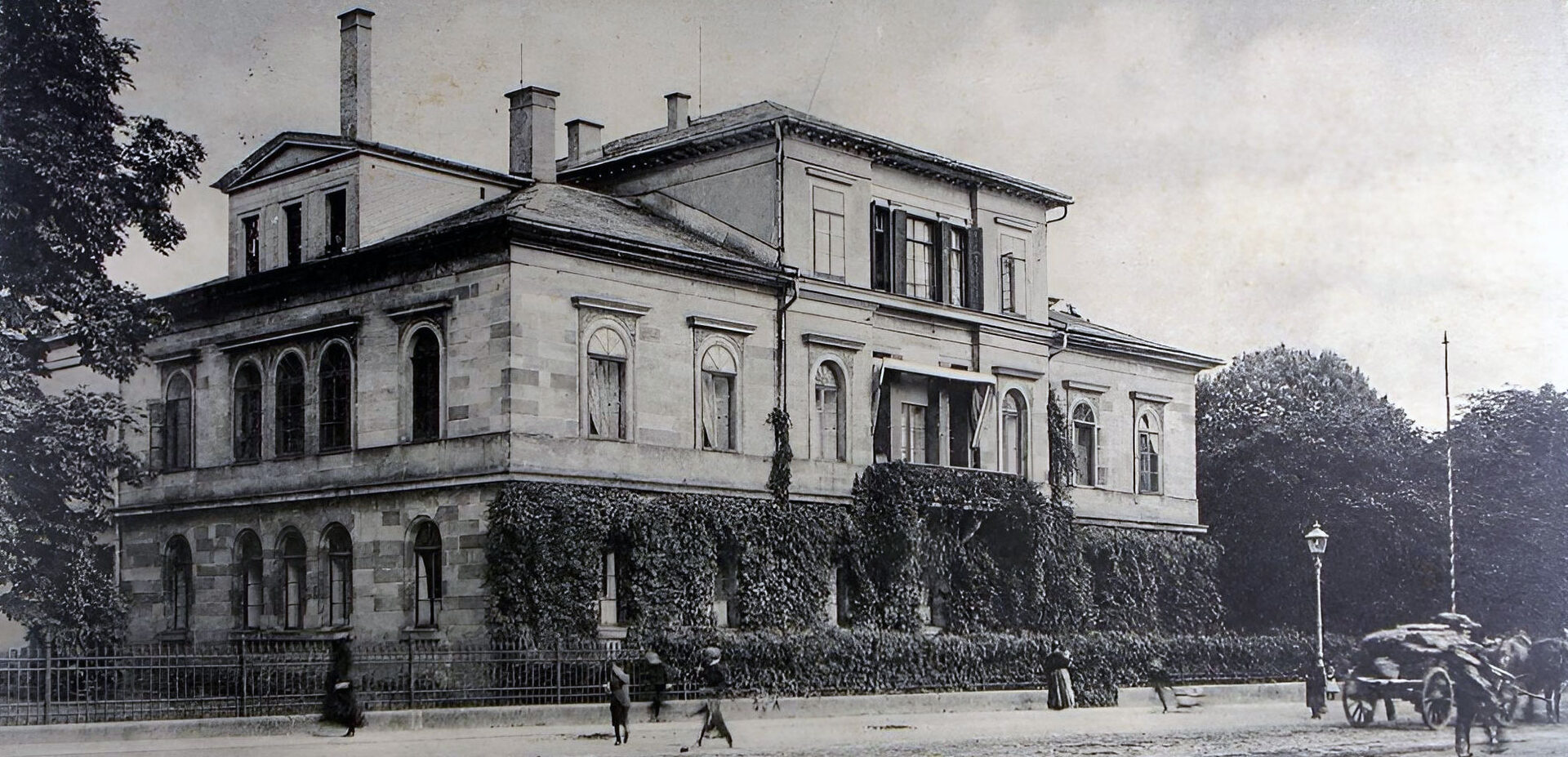
Between 1849 and 1863, Jews in Coburg gained full political and economic rights under the Paulskirchen Constitution and the general freedom of trade. During this period, Jews also became actively involved in the administration of justice. In 1895, the first Jewish lawyer, Kuno Hirsch, settled in Coburg. He was followed in 1903 and 1913 by the brothers Moritz and Martin Baer, who opened a law firm. The lawyers primarily practiced at the District Court (Landgericht), which has been located here on Ketschendorfer Straße since 1921.
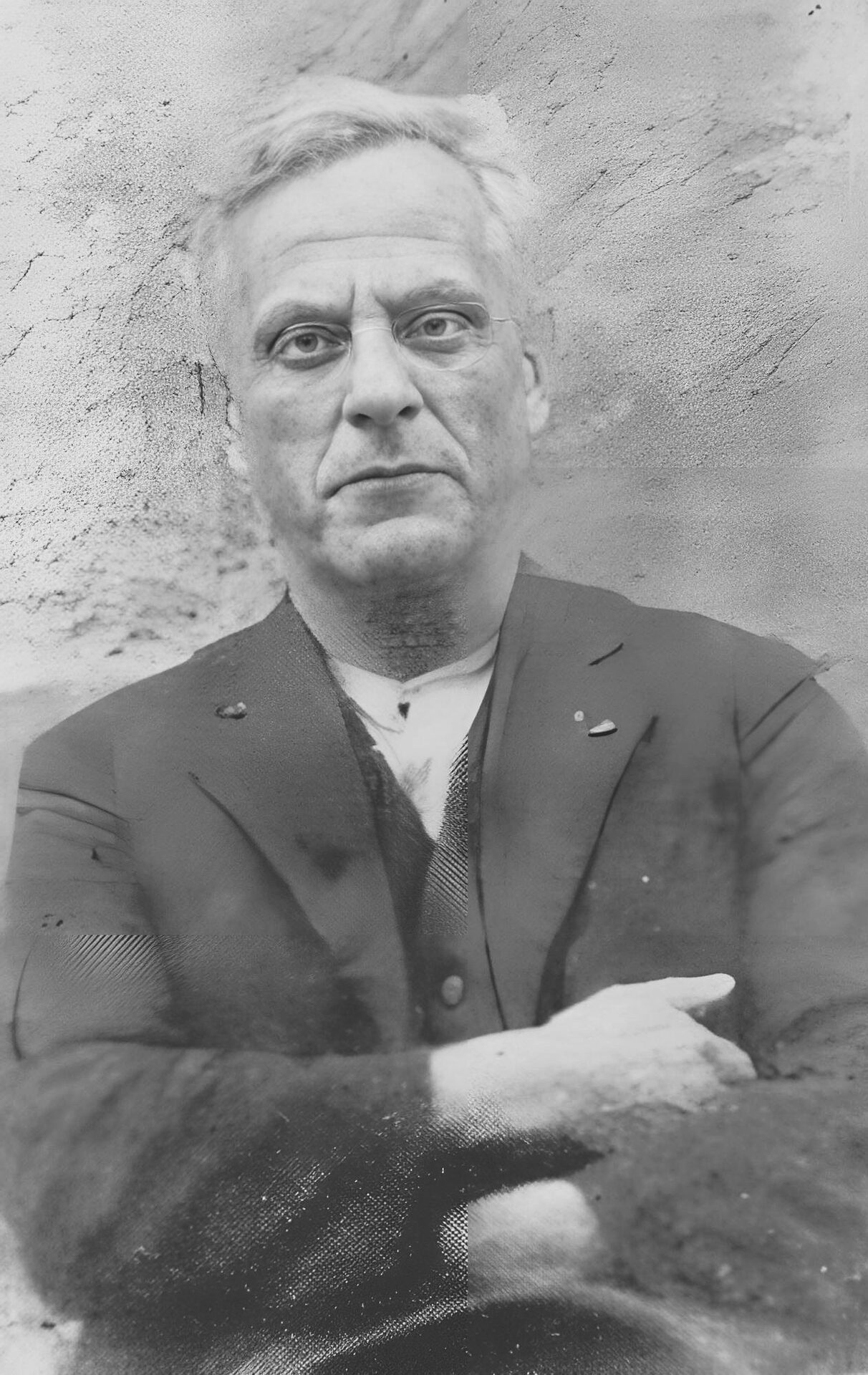
In the 1920s, attacks on Jews and their property became more frequent. Victims tried to seek justice through the legal system. Despite some lenient court judgements, they were still relatively successful. Nevertheless, the punishments imposed did not diminish the attacks. The rule of law seemed increasingly fragile.
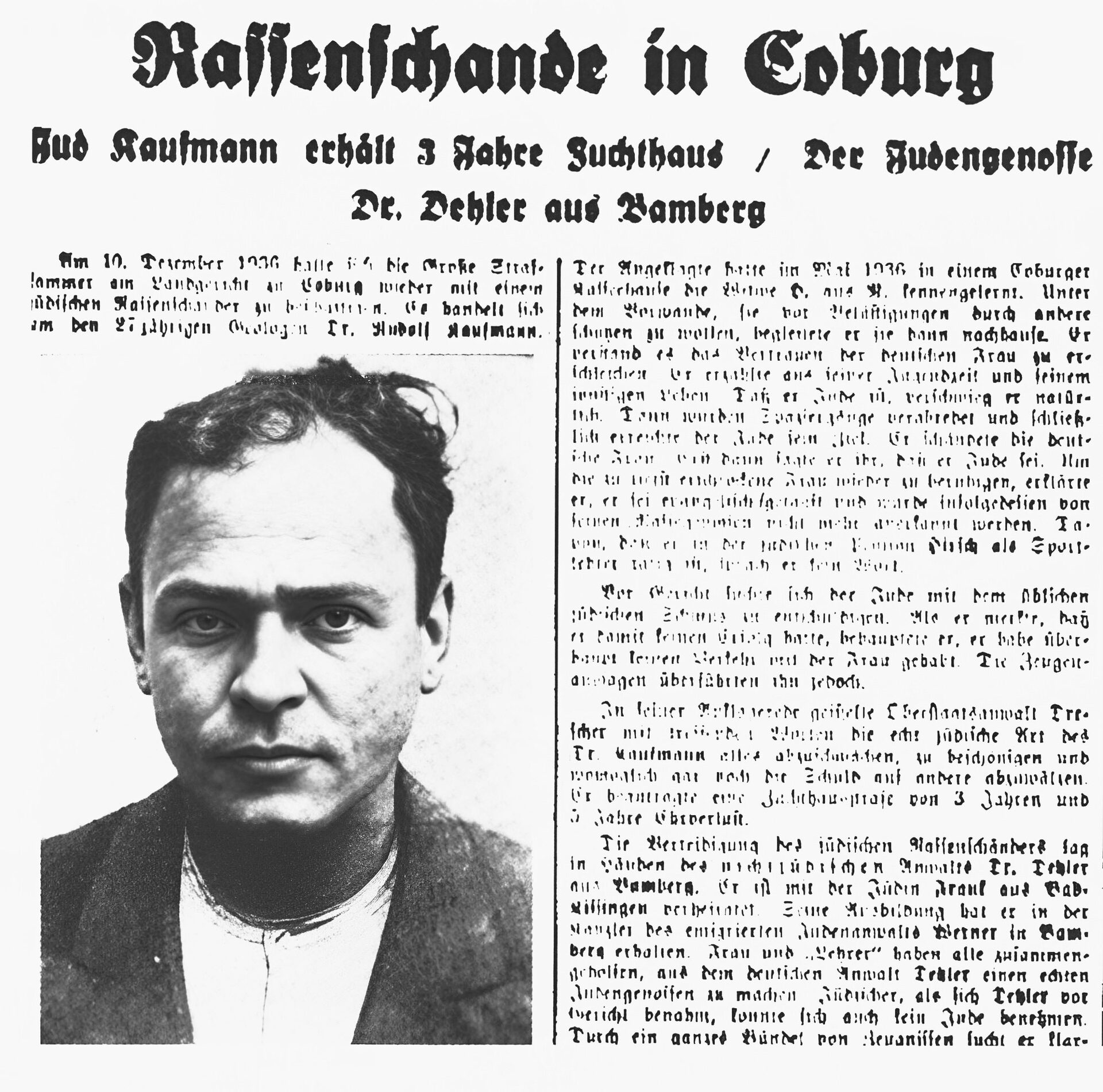
After Hitler came to power, the Third Reich revoked the licences of all Jewish lawyers in April 1933, except for those who had served in World War I. At the same time, the so-called “Reichstag Fire Decree” issued in February 1933 laid the groundwork for the arbitrary disenfranchisement and discrimination of Jews. One of the first major steps in this process came in the form of the Nuremberg Race Laws of 1935, which prohibited marriages and sexual relationships between Jews and “Aryans”. In Coburg, two cases of violations of these laws were tried at the District Court: in 1936, Rudolf Kaufmann, and in 1937, Max Kohn. Both were sentenced to several years of imprisonment and hard labour.
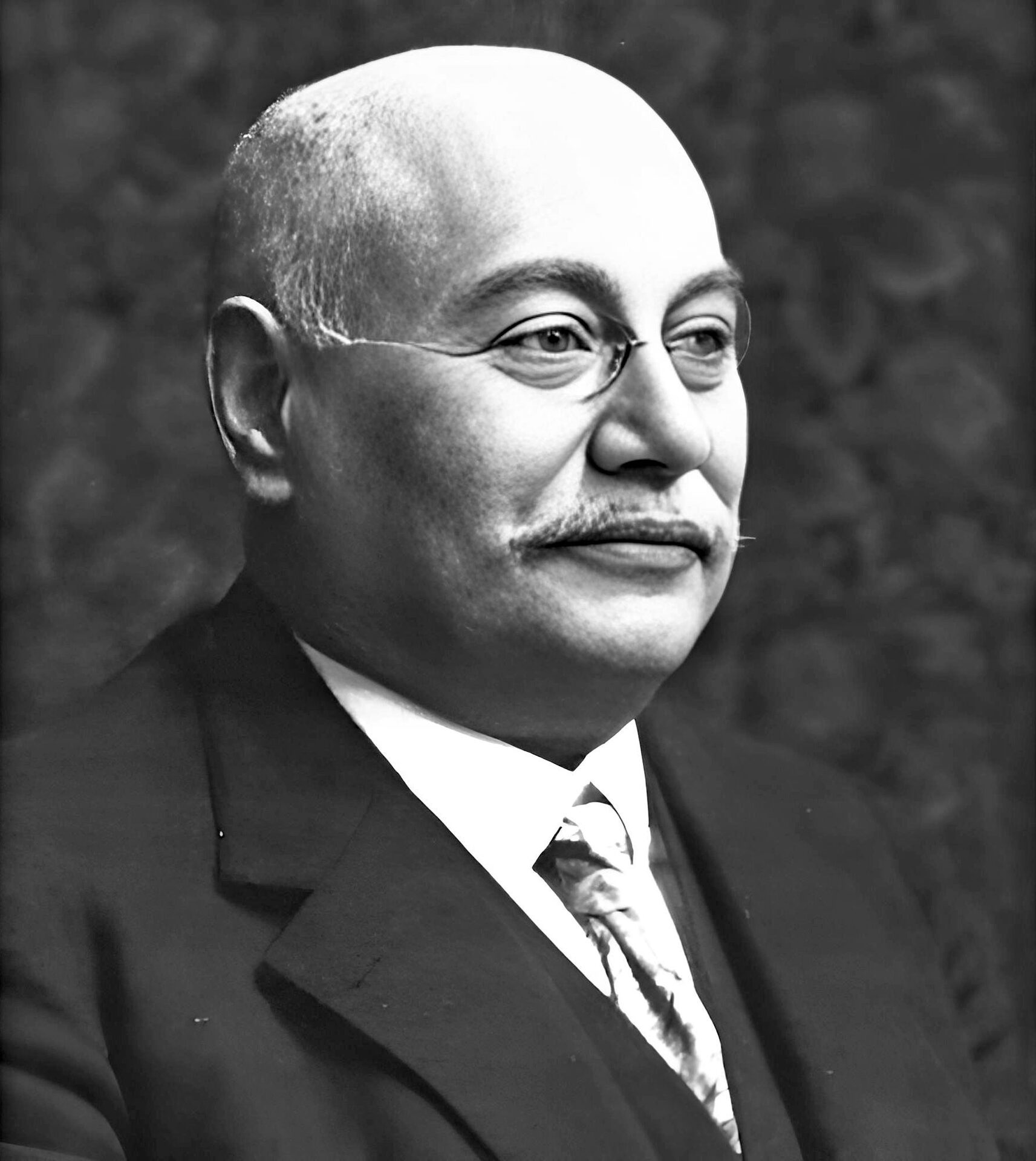
1938 verloren die letzten jüdischen Rechtsanwälte ihre Zulassung. Zugleich erließ das Reich ein Gewerbeverbot für alle Juden. Es folgten weitere antijüdische Gesetze wie die Einführung des Judensterns 1941 oder die Aberkennung der deutschen Staatsangehörigkeit im gleichen Jahr.
Next station
Through social ascent, Jews embraced bourgeois life. Abraham Friedmann lost home and position in 1933 after mistreatment — his fate symbolizes that decline.
About the Path of remembrance
The memorial path “Jewish Life in Coburg” commemorates the city’s Jewish community in 14 stations. These stations trace the history from the community’s integration into Coburg’s civic life in the mid-19th century to its annihilation following the early seizure of power by the National Socialists.
Jewish citizens were an integral part of Coburg’s community for decades. Under National Socialism, the Jewish community and its members were eradicated. They had to flee or were murdered. It is our responsibility to keep the memory of their contributions and suffering alive in the town of Coburg.
In 2023 the Coburg town council decided to commemorate Jewish life in Coburg with a memorial path through the town. The memorial path was officially inaugurated on 31 July 2025.